Profile bluesky
AT&T Customer Profile Overhaul
-
As part of experience planning team we were tasked to solve the major problems with the existing profile and create an experience for the future. We have created a profile experience which is very family and device centric.
To comply with my non-disclosure agreement, I have omitted and obfuscated confidential information in this case study. All information in this case study is my own and does not necessarily reflect the views of AT&T.
-
One of the major issues with the current customer profile experience is that the flows were designed to circumvent the technical limitations we had. Our user research suggested that there is a great influx of mobile and wearable devices. We had to adapt very quickly to stay ahead of the competition.
-
We were a team of 5 with 2 UX designers, 2 visual designers and 1 usability analyst. My job as a UX architect was to understand the research and come up with a solution that meets the user expectations.
-
We ran customer analytics reports and observed the new trends in customer buying trends. Also worked with the sales team to understand their strategy of AT&T sales plans.
Here are the key research insights:
Average number of devices in a household : 3 devices
Huge influx in wearables.
Customers look for ways to save on wireless accounts - Family and Friends.
AT&T sales strategy would like to tap into this trend and increase the sales.
I have intentionally omitted confidential data and some research finding here.
Research data

CAGR: Compound Annual Growth Rate
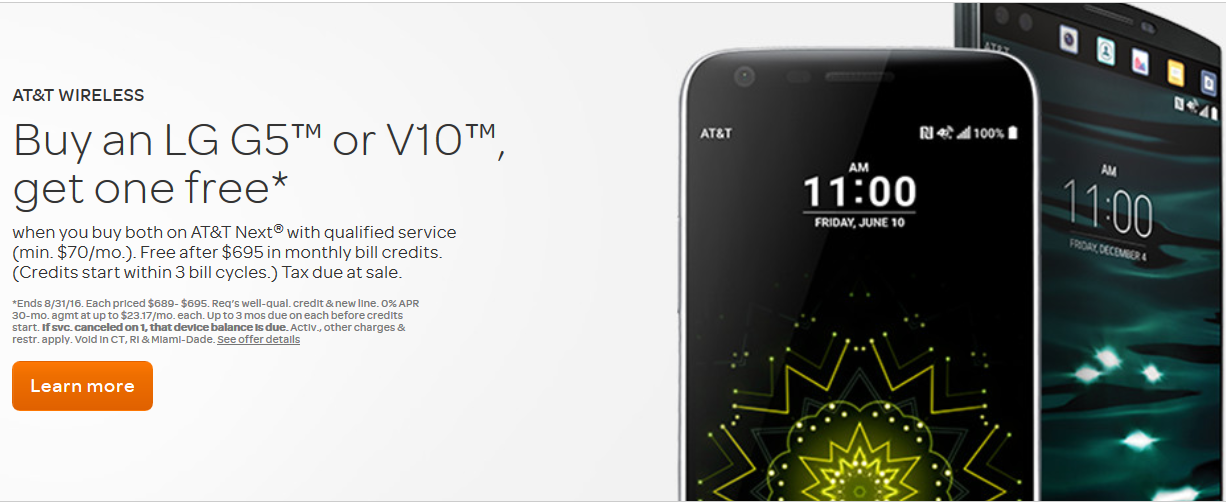
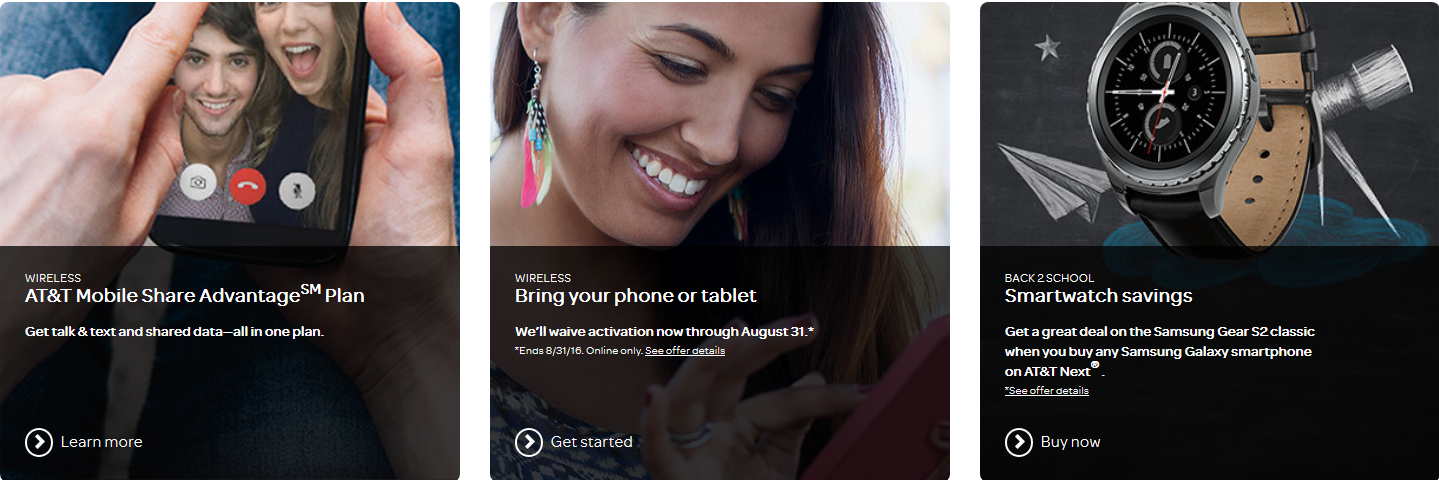
The research suggests that AT&T was heavily invested in selling mobile and wearable devices. Most of the data plans are geared towards multi device family packages.
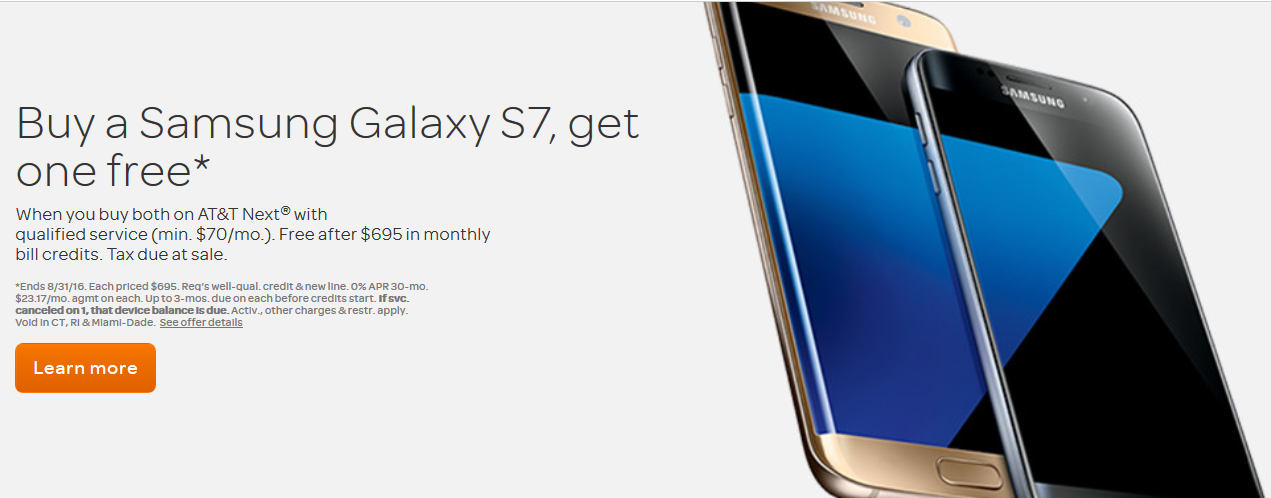
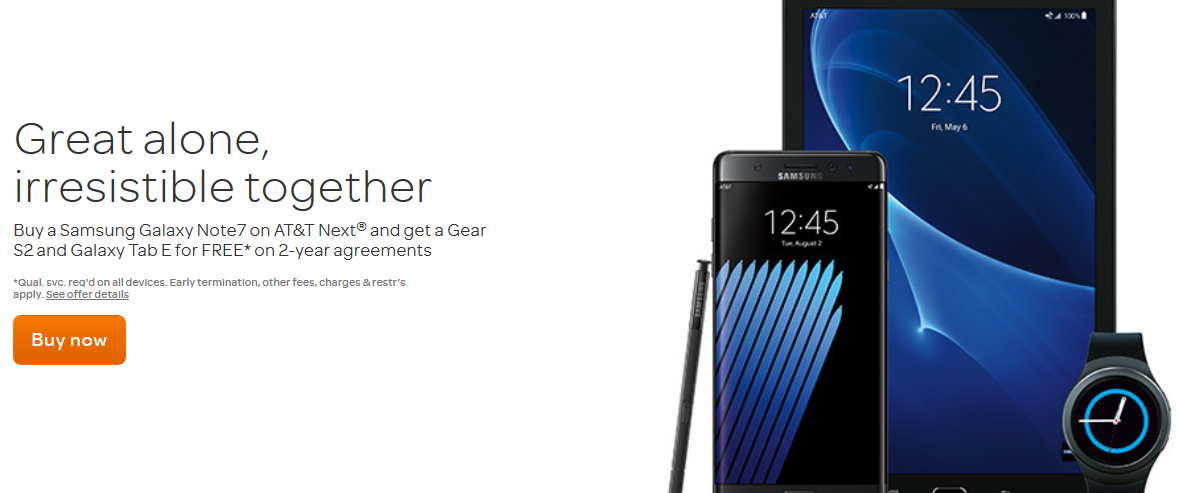
Image courtesy: AT&T Marketing Team
The redesign
With the influx of wearables and mobile technology, customers are now a days looking for more than responsive design to spend their time and money. So we based our design decisions on the concepts of persuasion, emotion and trust(PET).
Mobile First
We took a mobile first approach and designed the experience. The design was driven by the results of our analytics and user research. We focused on solving the big problems like reducing the calls to customer support, improve task completion rates etc. We introduced a section called popular tasks and used progressive disclosure techniques throughout the design for a smooth experience.
Profile home screen
Assigning user permissions
Managing the user's devices and permissions
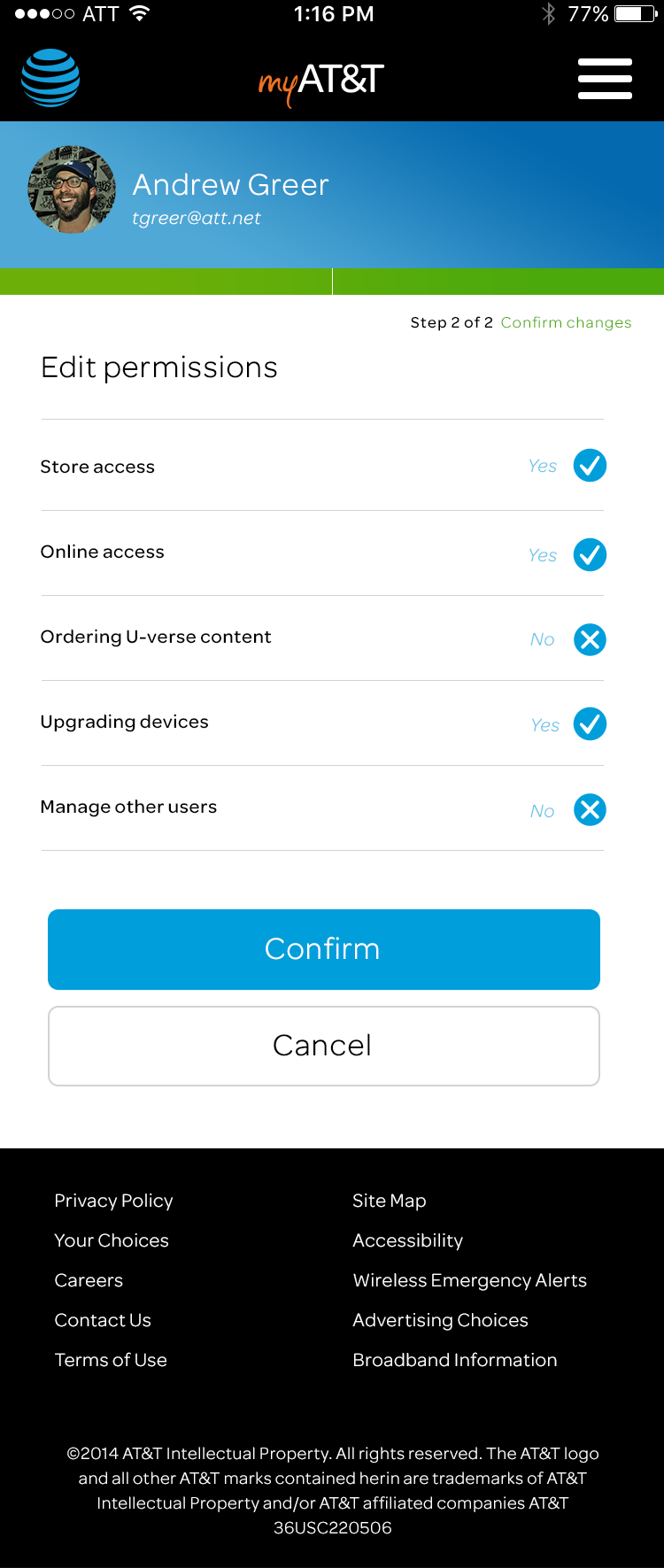
Confirm changes to user permissions
Edit user details
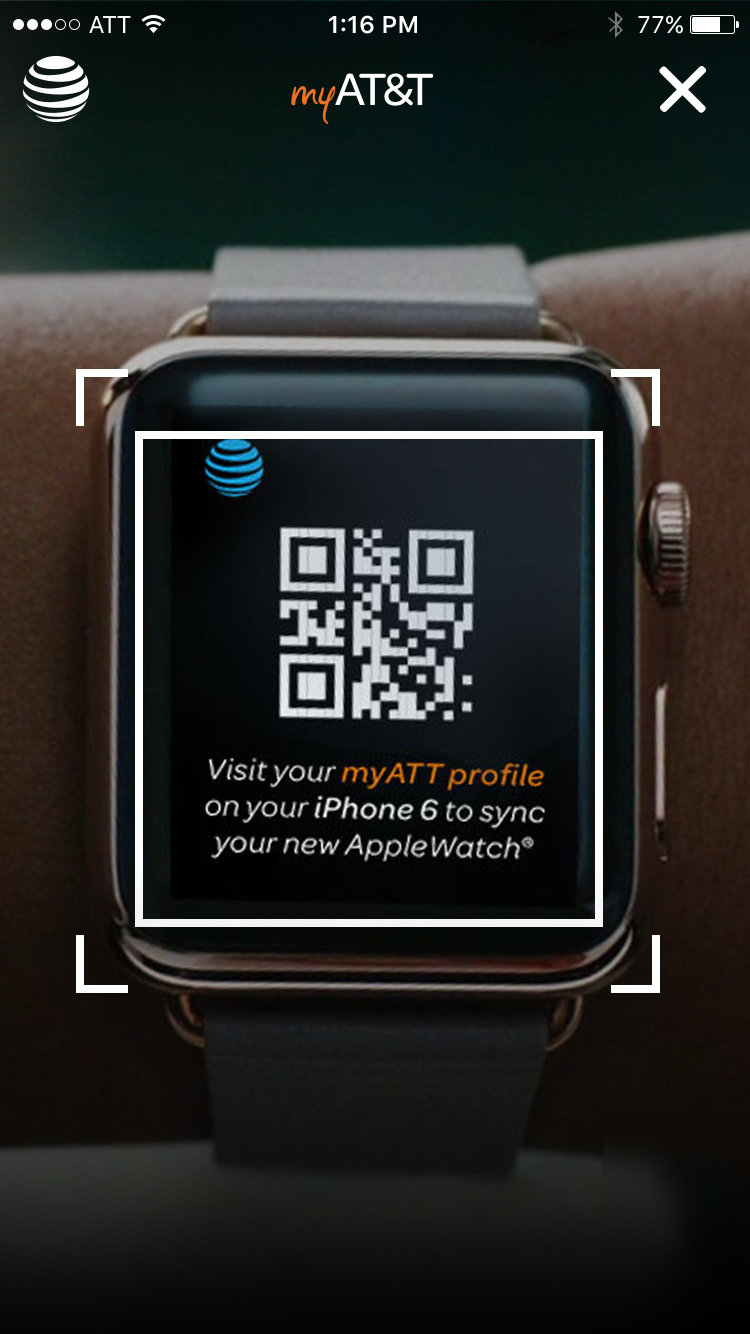
Sync apple watch with QR code
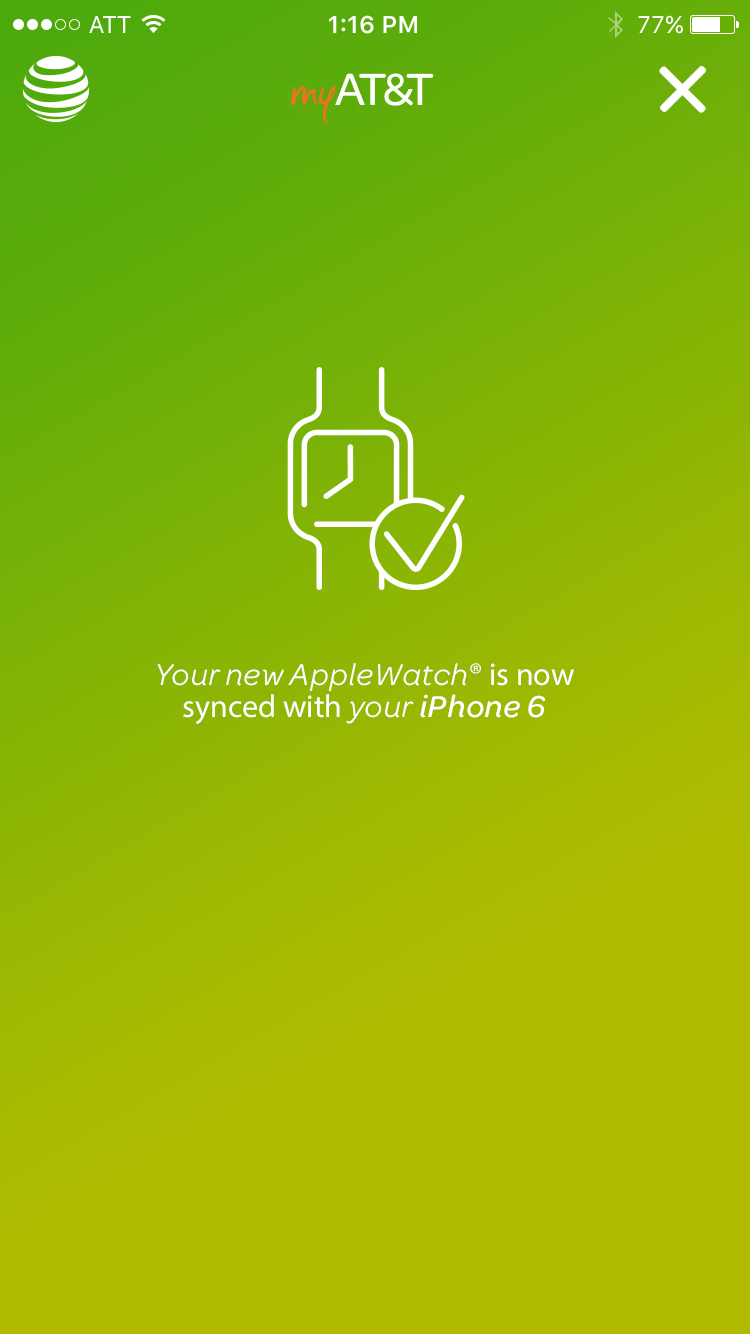
Apple watch sync confirmation
“Me and my brother share a family plan to take advantage of the family data plans and this makes it very easy to manage all the devices we have.”
Result
The usability testing session results were very positive. The user task success rates were around 96%. We have conducted a final technical evaluation and technical estimation. The leadership team will evaluate the reports and take a decision on project implementation.