Barclays PAyments and acquiring Chargeback Portal
Simplifying chargeback processing
-
The chargeback portal redesign aims to transform the chargeback process across Barclays payments and acquiring teams.
To comply with my non-disclosure agreement, I have omitted and obfuscated confidential information in this case study. All information in this case study is my own and does not necessarily reflect the views of Barclays.
-
Barclay’s chargeback process has not been optimized in over 10 years and agents are spending a lot of time on manual processes. The processing times are not great and are leading to customer and agent frustration.
-
Reduce the chargeback processing times and improve customer and agent satisfaction.
-
Through the research process, we have identified the following personas
Dispute agent
Senior dispute agent
Dispute manager
Administrator
Ops agent - read-only access
-
I had to work on a very tight timeline as the project was delayed by over 6 months. Also, I had to collaborate across different time zones as the stakeholder’s team is in the UK and I am on the east coast.
-
I was responsible for coming up with the high-level design strategy for this project. I worked very closely with the SME’s, business leadership, and development team to understand their requirements. I conducted discovery sessions and interviews.
The redesign process
Interviews and Contextual Inquiries
We have conducted 6 interviews with agents with different skill levels and roles. We have also conducted contextual inquiries with 4 SMEs from different workgroups. This gave us a great understanding of their work practices and behaviors.
We have identified 6 major features
Disputes dashboard
User management
User skill management
User availability management
Work allocation
Alerts & Notifications
“It would be nice to see all the required information on one screen. We spend a lot of time searching and navigating between applications.”
Competitive benchmarking
We have analyzed the existing chargeback dashboards and other 3rd party platforms that offer similar capabilities. Some takeaways from those studies include:
Well structured navigation
Data is prioritized and actionable
Interactions are simple and clear
Customization for different user groups
Clear content structure and hierarchy
In projects like these, it is very important to understand all the technical dependencies that will impact your design decisions as early as possible.
Process flow mapping
I have conducted discovery sessions with SMEs to understand the existing chargeback process and their pain points. We spent a lot of time whiteboarding and mapping individual processes. The chargeback process involves working with internal and external entities like merchants, acquirers, issuing banks, etc., and is very complex We wanted to map all the process flows.
1st chargeback flow
BPA chargeback agent user flow
Design decisions
The information gathered during our interviews, competitive benchmarking, technical discussions gave me a clear design direction. Some of the striking features you will see as part of the design are
Progressive disclosure
Clear and actionable content
Linear flows and sub-flows
Shallow navigation
-
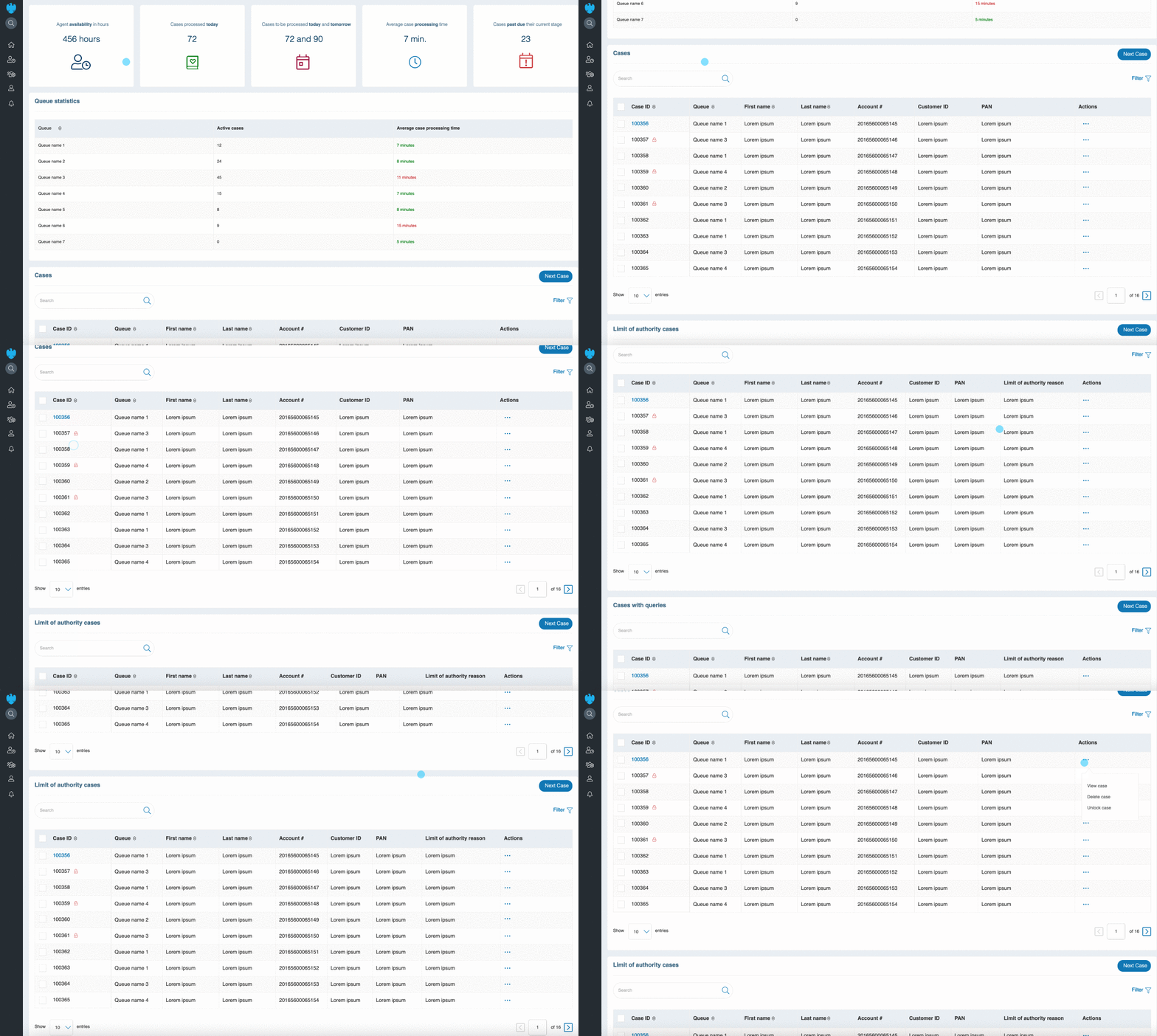
This dashboard screen is designed with the goal of optimizing the manager’s time and ease of task findability. The manager dashboard allows the chargeback managers to
Monitor KPIs
Manually assign cases to agents
Approve/reject limit of authority cases
Manage cases with queries.
-
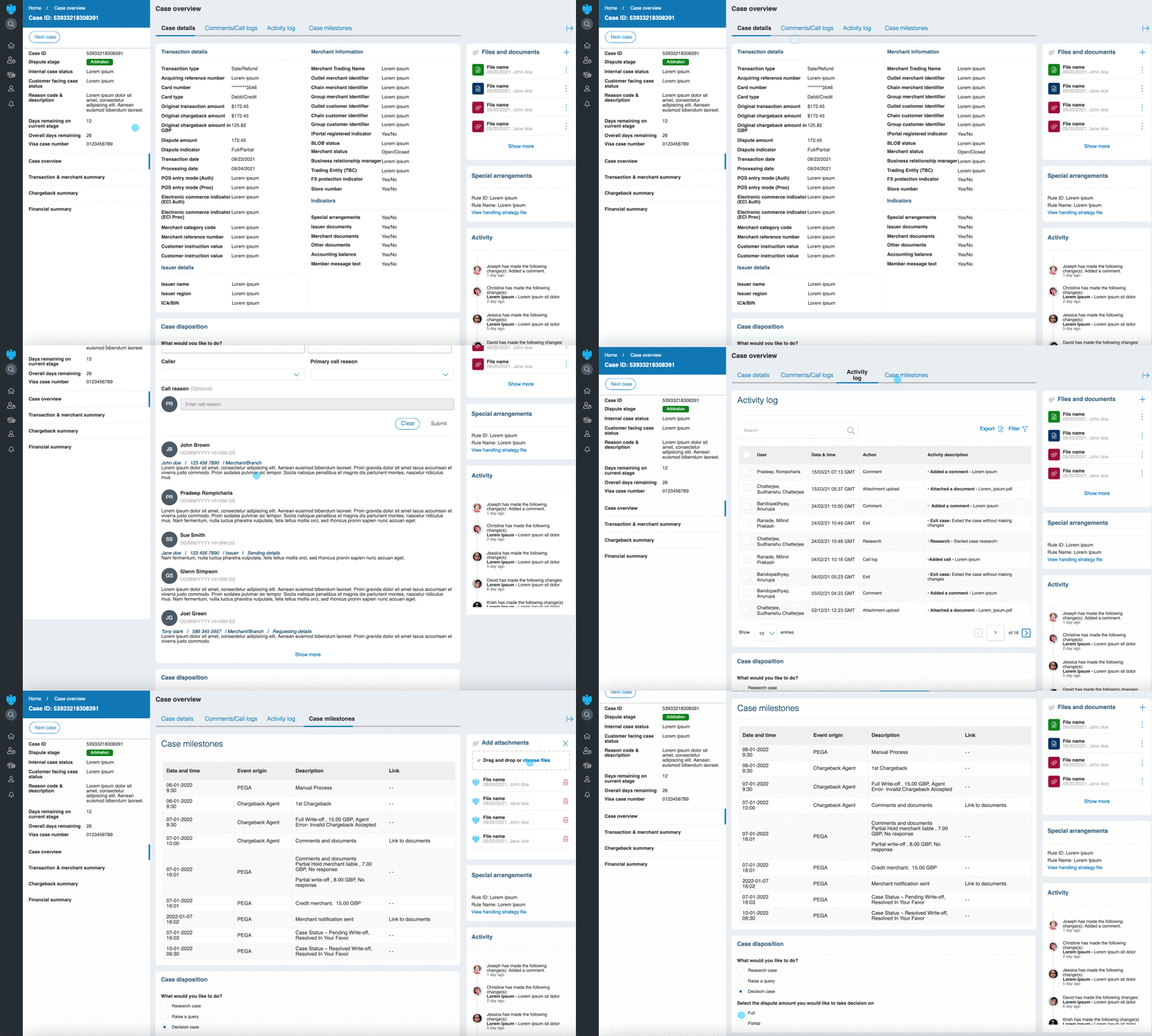
One of the biggest pain points the agents mentioned during our interviews is the constant juggling between different applications. We created a solution that will allow the agents to get to the most important information needed to make a decision on the case.
Result
The project is in progress and the initial usability testing with the first set of participants went really well. The business stakeholders are happy with the progress we made and development could start as early as May - June 2022.